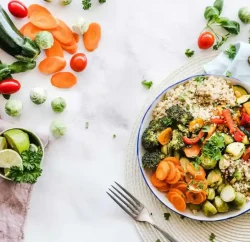


Food is far more than a basic necessity for survival. Across cultures and continents, it plays a powerful role in shaping traditions, celebrations, and social connections. Meals often reflect a community’s history, environment, and values, making food an important expression of cultural identity.
From family gatherings to national festivals, food helps people celebrate milestones, preserve heritage, and share meaningful experiences. The dishes prepared in different regions reveal stories about local ingredients, historical influences, and culinary traditions passed down through generations.
Food as a Cultural Identity
Every culture has signature dishes that represent its unique identity. These foods are often tied to geography, climate, and available ingredients.
For example, coastal regions commonly feature seafood-based dishes, while agricultural communities rely heavily on grains, vegetables, and locally raised livestock.
Ways food reflects cultural identity
- Traditional recipes passed through generations
- Local ingredients that shape regional cuisine
- Unique cooking methods and preparation styles
- Distinct flavor profiles and spices
These elements combine to create culinary traditions that represent the character of a culture.
Food and Cultural Celebrations
Food plays a central role in celebrations around the world. Special dishes are often prepared for holidays, religious ceremonies, and community events.
Examples of food-centered celebrations include:
- Festive meals during religious holidays
- Wedding feasts shared with family and friends
- Traditional dishes prepared during harvest festivals
- Community gatherings featuring regional specialties
These occasions strengthen social bonds and allow people to celebrate their heritage through shared meals.
Family Traditions and Home Cooking
Many cultural food traditions begin in the home kitchen. Families often pass recipes from one generation to the next, preserving culinary knowledge and techniques.
Importance of family recipes
- Preserve historical cooking methods
- Maintain cultural identity within families
- Teach younger generations about heritage
- Create emotional connections through shared meals
Family cooking traditions help ensure that cultural dishes continue to be enjoyed and remembered.
Food as a Form of Cultural Exchange
As people travel and migrate, they bring their culinary traditions with them. This movement of cultures has helped introduce new flavors, ingredients, and cooking styles around the world.
Examples of cultural exchange through food
- Fusion cuisine combining ingredients from multiple cultures
- International restaurants sharing global dishes
- Cultural festivals celebrating traditional foods
- Culinary tourism exploring regional specialties
These exchanges encourage greater understanding and appreciation of different cultures.
Symbolism in Traditional Foods
Certain foods carry symbolic meanings in many cultures. They may represent prosperity, health, luck, or unity.
Examples of symbolic foods include:
- Round foods symbolizing prosperity or completeness
- Sweet dishes representing happiness or celebration
- Bread symbolizing community and nourishment
- Rice symbolizing abundance in many cultures
These symbolic foods add deeper meaning to meals and traditions.
Food and Regional Diversity
Even within a single country, food traditions can vary widely from one region to another. Differences in climate, agriculture, and cultural influences shape local cuisine.
Regional diversity often includes:
- Unique spice combinations
- Distinct cooking techniques
- Different staple ingredients
- Traditional preservation methods
This diversity enriches national culinary identities and highlights the creativity of local food cultures.
The Role of Food in Community and Hospitality
In many cultures, offering food is a sign of hospitality and respect. Guests are often welcomed with meals, snacks, or drinks as a gesture of goodwill.
Sharing food helps build relationships and fosters a sense of community. Communal meals encourage conversation, connection, and cooperation among family members and neighbors.
These traditions demonstrate how food serves as a universal language of generosity and friendship.
Preserving Cultural Food Traditions
In an increasingly globalized world, preserving traditional cuisine has become an important goal for many communities.
Efforts to protect culinary heritage include:
- Documenting traditional recipes
- Teaching cooking techniques in families and schools
- Supporting local farmers and traditional ingredients
- Celebrating cultural food festivals
These efforts ensure that traditional dishes remain part of cultural identity for future generations.
Conclusion
Food plays a profound role in shaping cultural identity and social connections around the world. Through traditional recipes, festive meals, and shared dining experiences, food helps preserve history and strengthen communities.
By exploring and respecting global culinary traditions, people gain a deeper understanding of different cultures. Ultimately, food serves as a powerful reminder that despite cultural differences, the act of sharing a meal is a universal human experience.
FAQ: Cultural Importance of Food
1. Why is food considered part of cultural identity?
Food reflects local traditions, ingredients, and historical influences, making it a key element of cultural heritage.
2. How does food connect people within communities?
Shared meals encourage conversation, strengthen relationships, and create meaningful social experiences.
3. Why do certain foods become traditional dishes?
Traditional dishes often develop based on locally available ingredients, climate, and historical cooking practices.
4. How has globalization influenced cultural cuisine?
Globalization has introduced new ingredients and cooking styles while also spreading traditional dishes to international audiences.
5. What is culinary tourism?
Culinary tourism involves traveling to explore local food traditions, regional specialties, and cultural dining experiences.
6. How can cultural food traditions be preserved?
They can be preserved through family recipes, cultural festivals, culinary education, and support for traditional ingredients.
7. Why do many celebrations involve special foods?
Special dishes symbolize joy, unity, prosperity, or cultural heritage, making them meaningful parts of celebrations.