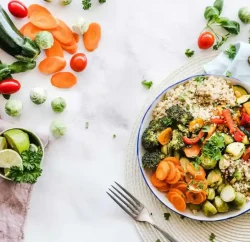


Seasonal ingredients have always played an important role in baking traditions around the world. When bakers rely on ingredients that naturally grow during a particular time of year, they gain access to produce at its peak freshness, flavor, and nutritional value.
Using seasonal ingredients does more than simply enhance taste. It can influence texture, aroma, color, and overall quality of baked goods. From juicy summer berries in cakes to warm autumn spices in breads, seasonal ingredients allow bakers to craft recipes that feel timely, flavorful, and memorable.
In modern bakeries and home kitchens alike, embracing seasonal ingredients has become a powerful way to improve recipes while supporting sustainability and creativity.
Why Seasonal Ingredients Matter in Baking
Seasonal ingredients offer benefits that go far beyond simple availability. When produce is harvested at the right time, it naturally contains more flavor compounds and nutrients.
Key advantages include:
- Superior flavor: Fruits and spices harvested in season are more aromatic and vibrant.
- Better texture: Fresh ingredients maintain natural moisture and structure.
- Higher nutritional value: Seasonal produce typically retains more vitamins and minerals.
- Lower cost: Ingredients that are abundant in season are often more affordable.
- Sustainability: Local seasonal ingredients reduce transportation and storage impacts.
For bakers, these advantages translate into better tasting and more appealing bakery products.
How Seasonal Ingredients Enhance Flavor
One of the most noticeable improvements seasonal ingredients bring to baking is flavor depth. Fruits, herbs, and spices harvested at peak ripeness contain stronger natural sugars and aromatic oils.
For example:
- Summer: Strawberries, blueberries, and peaches add vibrant sweetness to tarts, muffins, and cakes.
- Autumn: Apples, pumpkins, and cinnamon provide warmth and complexity in breads and pies.
- Winter: Citrus fruits and spices like nutmeg brighten dense baked desserts.
- Spring: Rhubarb and early berries bring tangy freshness to pastries.
When these ingredients are incorporated into recipes, the baked goods develop natural flavor layers without relying heavily on artificial additives.
Improved Texture and Moisture
Seasonal ingredients can also significantly affect the texture of baked goods.
Fresh fruits and vegetables contain natural water content and sugars that contribute to softness and structure. For example:
- Pumpkin puree creates moist and tender cakes
- Apples add natural sweetness and softness to muffins
- Zucchini helps maintain moisture in quick breads
- Fresh berries introduce juicy bursts of flavor in pastries
Because these ingredients contain natural moisture, they help prevent baked goods from becoming dry or crumbly.
Seasonal Ingredients Inspire Creative Recipes
Baking with seasonal ingredients encourages experimentation. Instead of repeating the same recipes year-round, bakers can adapt their menus according to what is fresh and available.
Examples of seasonal baking ideas
Spring
- Lemon berry muffins
- Rhubarb crumble bars
- Strawberry shortcake
Summer
- Peach cobbler
- Blueberry cheesecake
- Mango coconut cupcakes
Autumn
- Pumpkin spice bread
- Apple cinnamon rolls
- Maple pecan pie
Winter
- Orange cranberry loaf
- Gingerbread cookies
- Spiced chocolate cake
This seasonal approach keeps bakery menus exciting and constantly evolving.
Supporting Local Agriculture
Using seasonal ingredients often means sourcing products locally from nearby farms or markets.
This provides several benefits:
- Encourages farm-to-table baking
- Supports local farmers and food producers
- Reduces the environmental impact of long-distance transportation
- Ensures fresher ingredients with shorter storage times
For bakeries, this can also strengthen relationships with local communities and customers who value fresh, responsibly sourced food.
Seasonal Ingredients Improve Visual Appeal
Fresh seasonal produce naturally adds vibrant colors to baked goods, making them more visually appealing.
Examples include:
- Bright red strawberries topping a summer tart
- Golden pumpkin filling in autumn pies
- Deep purple blueberries in muffins
- Orange citrus glaze on winter cakes
Colorful baked goods not only attract attention but also enhance the overall sensory experience of desserts and pastries.
Tips for Baking with Seasonal Ingredients
To maximize the benefits of seasonal ingredients, bakers should follow a few practical guidelines.
Choose fully ripe produce
Ingredients picked at peak ripeness provide the best flavor and sweetness.
Adjust sugar levels
Seasonal fruits can be sweeter than off-season ones, so recipes may require less added sugar.
Balance moisture levels
Fresh fruits can release juice during baking, so adjusting flour or baking time may help maintain the right texture.
Use preservation techniques
Freezing, drying, or making jams allows seasonal ingredients to be used beyond their peak season.
The Future of Seasonal Baking
As consumers become more aware of food sustainability and ingredient quality, seasonal baking continues to grow in popularity. Bakeries and home bakers are increasingly embracing seasonal produce to create authentic, fresh, and environmentally responsible recipes.
This approach not only improves the quality of baked goods but also reconnects baking with natural food cycles.
By focusing on ingredients that naturally belong to each season, bakers can create desserts and breads that truly celebrate flavor, freshness, and tradition.
FAQ: Seasonal Ingredients in Bakery Recipes
1. What are seasonal ingredients in baking?
Seasonal ingredients are fruits, vegetables, herbs, and spices that are naturally harvested during specific times of the year and used in recipes when they are freshest.
2. Why do seasonal ingredients taste better in baked goods?
Ingredients harvested in season are typically fully ripe, which means they contain higher levels of natural sugars and flavor compounds.
3. Can seasonal ingredients change baking times?
Yes. Fresh fruits and vegetables may release additional moisture during baking, which can sometimes slightly increase baking time.
4. How can bakers store seasonal ingredients for later use?
Common preservation methods include freezing fruits, making jams or compotes, drying ingredients, or preparing purees that can be stored.
5. Do seasonal ingredients reduce baking costs?
Often they do. When ingredients are in peak supply, they are generally less expensive compared to out-of-season produce.
6. Are seasonal ingredients healthier?
Seasonal produce is typically fresher and can retain more nutrients compared to ingredients that are stored or transported for long periods.
7. How can home bakers identify seasonal ingredients?
Local farmers’ markets, grocery produce guides, and seasonal food charts are helpful resources for identifying what ingredients are currently in season.