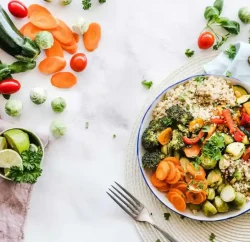


Food prepared at home often carries a level of flavor, freshness, and comfort that is difficult to replicate with fast food. While fast food is convenient and widely available, homemade meals typically offer better ingredient quality and greater attention to preparation.
Cooking at home allows people to control what goes into their food, experiment with flavors, and create meals that reflect personal preferences. As a result, homemade dishes often feel more satisfying, healthier, and richer in flavor compared to many commercially prepared meals.
Fresh Ingredients Make a Difference
One of the biggest reasons homemade food tastes better is the use of fresh ingredients. Home cooks often choose fruits, vegetables, herbs, and proteins that are recently purchased or locally sourced.
Benefits of fresh ingredients
- Stronger natural flavors
- Better texture and aroma
- Higher nutritional value
- Greater flexibility in seasoning
Fresh ingredients enhance the overall taste of meals, creating dishes that feel more vibrant and flavorful.
Greater Control Over Seasoning
Fast food is typically prepared in standardized ways to maintain consistency across locations. While this ensures predictable taste, it often limits flavor customization.
Home cooking allows cooks to adjust seasonings according to personal preferences.
Examples include:
- Adjusting salt and spice levels
- Adding fresh herbs or citrus for brightness
- Experimenting with regional spice blends
- Balancing flavors with sweet, sour, and savory elements
This flexibility helps create balanced and personalized flavors.
Healthier Cooking Methods
Many fast food items are fried or heavily processed to enhance shelf life and flavor. Homemade cooking often involves healthier preparation techniques.
Common home cooking methods
- Grilling meats and vegetables
- Roasting foods to enhance natural sweetness
- Steaming vegetables to preserve nutrients
- Sautéing with moderate amounts of oil
These cooking techniques allow food to retain natural flavors without excessive additives.
Less Processed Ingredients
Fast food often contains preservatives, artificial flavors, and additives designed to extend shelf life or enhance taste. Homemade meals usually rely on simpler ingredients.
Advantages of minimally processed foods include:
- More natural flavors
- Fewer artificial additives
- Greater nutritional value
- Better ingredient transparency
Using whole foods allows the natural taste of ingredients to shine through.
Emotional and Cultural Connection
Homemade meals often carry emotional meaning that fast food cannot replicate. Cooking and sharing food with family or friends creates lasting memories and strengthens relationships.
Examples of emotional value in home cooking
- Family recipes passed down through generations
- Meals prepared for celebrations or gatherings
- Comfort foods associated with childhood memories
- Cultural dishes representing heritage and tradition
These experiences add sentimental value that enhances the enjoyment of food.
Opportunity for Creativity
Cooking at home encourages creativity in the kitchen. Unlike fast food menus, which remain relatively fixed, home cooks can experiment freely.
Creative possibilities include:
- Combining ingredients from different cuisines
- Trying new cooking techniques
- Adjusting recipes to suit dietary preferences
- Creating personalized versions of favorite dishes
This freedom allows home cooks to develop meals that reflect individual tastes and culinary curiosity.
Better Portion Control
Fast food meals are often designed with standardized portion sizes that may be larger than necessary. Homemade meals allow greater flexibility in portion control.
Benefits include:
- Balanced serving sizes
- Reduced food waste
- Ability to adjust portions based on appetite
- Greater awareness of nutritional intake
This helps create meals that are both satisfying and mindful of overall health.
Cost and Value
Although fast food may appear inexpensive, preparing meals at home often provides better value over time. Purchasing ingredients in bulk and cooking multiple meals from them can reduce overall food costs.
Home cooking also provides:
- Larger portions for the same cost
- Healthier ingredient choices
- Leftovers that can be used for additional meals
These advantages make homemade food both economical and satisfying.
The Joy of Cooking
Beyond taste and nutrition, cooking itself can be an enjoyable and rewarding activity. Preparing meals encourages mindfulness and creativity, while sharing food with others fosters connection.
Many people find that cooking helps them:
- Develop new skills
- Relax and reduce stress
- Connect with family traditions
- Appreciate the ingredients they use
This sense of involvement makes homemade meals feel more meaningful and fulfilling.
Conclusion
Homemade food often surpasses fast food in flavor, freshness, and nutritional value. With better ingredients, personalized seasoning, and thoughtful preparation, home-cooked meals provide a richer and more satisfying dining experience.
Beyond taste, homemade cooking also strengthens cultural traditions, encourages creativity, and promotes healthier eating habits. For many people, preparing meals at home offers not only better food but also a deeper appreciation for the art of cooking.
FAQ: Homemade Food vs Fast Food
1. Why does homemade food often taste fresher?
Homemade meals usually use freshly purchased ingredients rather than preprocessed items, which improves flavor and texture.
2. Is homemade food always healthier than fast food?
In many cases yes, because home cooks can control ingredients, cooking methods, and portion sizes.
3. Can fast food ever match homemade flavor?
Fast food can be flavorful, but it is often designed for consistency and convenience rather than personalized taste.
4. Why do family recipes feel special?
Family recipes often carry memories, traditions, and cultural meaning that enhance the emotional experience of eating.
5. How can beginners start cooking at home?
Starting with simple recipes and gradually learning basic techniques can help build confidence in the kitchen.
6. Does cooking at home save money?
Yes, especially when ingredients are purchased in bulk and used for multiple meals.
7. What makes homemade meals more satisfying?
The combination of fresh ingredients, personalized flavors, and the effort involved in preparation often makes homemade meals more enjoyable.